The Ultimate Guide to Choosing the Right Refrigerator for Your Home
Introduction
Choosing a refrigerator is a substantial decision for any family. With a wide variety of choices available, determining the ideal design for your requirements can be daunting. This guide will explore various refrigerator types, important functions, and pointers for making an educated purchase. Whether you are moving into a new home or just wanting to replace an old model, this information will help in selecting the fridge that best suits your way of life.
Types of Refrigerators
When searching for a refrigerator, comprehending the various types readily available can simplify the choice process. Here's a breakdown of some typical refrigerator types:
| Refrigerator Type | Description |
|---|---|
| Top-Freezer | One of the most standard designs, with the fridge section on top and the freezer listed below. |
| Bottom-Freezer | Features the fridge on top for easy gain access to, with the freezer located underneath. |
| Side-by-Side | Includes two vertical compartments; one for the fridge and one for the freezer, permitting more organization. |
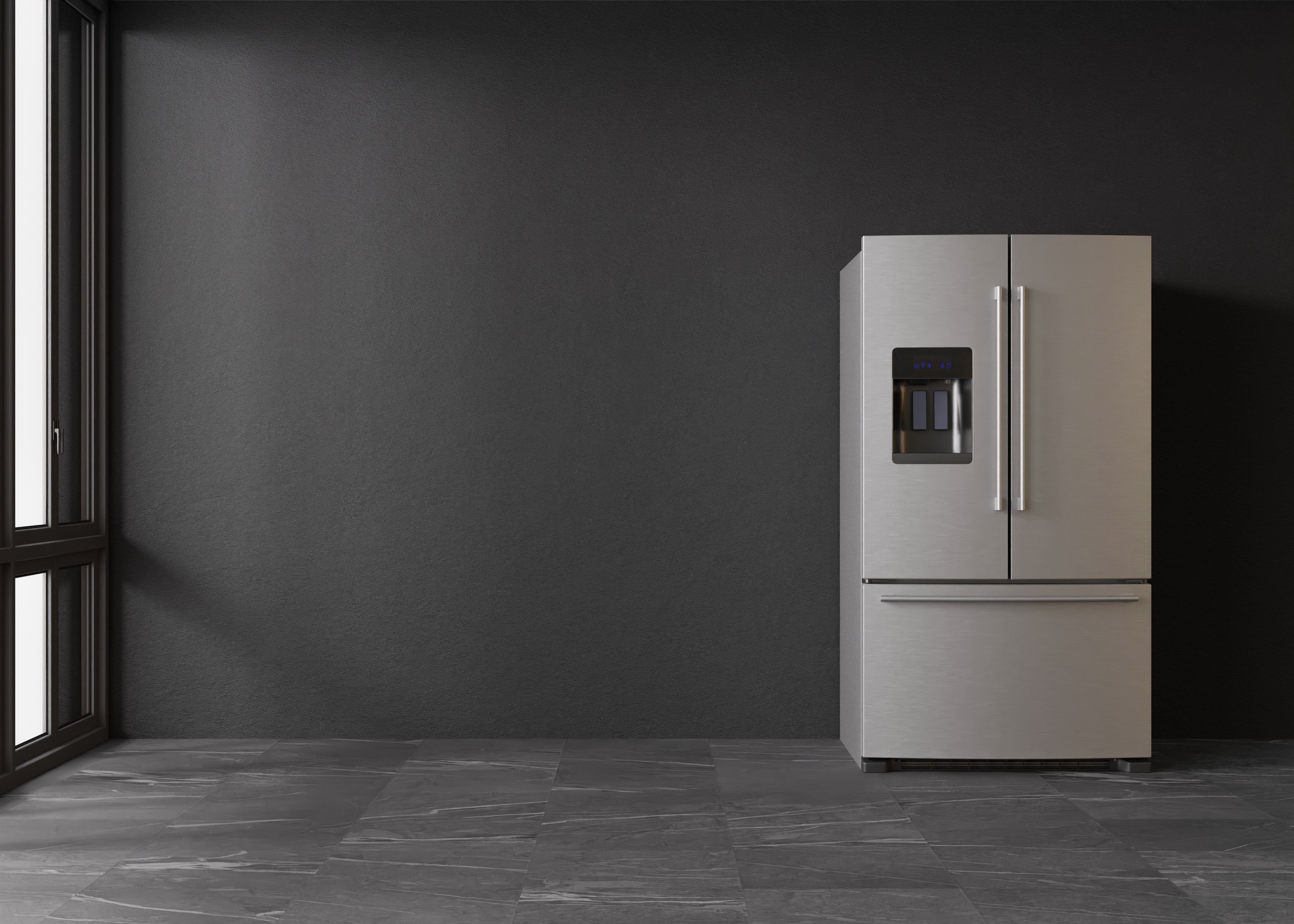
| French Door | Combines a bottom freezer with double fridge doors, supplying sufficient area and contemporary looks. |
| Compact | Smaller size perfect for restricted areas or secondary kitchen areas. |
| Smart Refrigerator | Equipped with advanced innovation for connectivity and convenience, including touch screens and internal electronic cameras. |
Selecting Your Refrigerator Type
- Space Availability: Measure the area where you plan to position the refrigerator, thinking about door openings and clearance.
- Storage Needs: Think about your typical grocery shopping routines and meal preparation.
- Style Preferences: Consider the kitchen area's aesthetic appeals-- modern, standard, or minimalist.
Secret Features to Consider
Apart from type, various features make refrigerators more practical and user-friendly. Here are essential considerations:
- Energy Efficiency: Look for Energy Star-rated designs that take in less electrical energy, saving you money in the long run.
- Capability: Measured in cubic feet, make sure the fridge's capability satisfies your family requires. An excellent guideline is 4-6 cubic feet per adult.
- Adjustable Shelving: Shelving that can be moved or modified to accommodate larger items can be exceptionally beneficial.
- Humidity Control: Many refrigerators come with crisper drawers that manage humidity, enhancing the durability of vegetables and fruits.
- Water and Ice Dispensers: Added benefit for those who need easy access to drinking water and ice.
- Smart Home Integration: Consider if you want a fridge that gets in touch with your clever home devices for added functionality.
Advantages and disadvantages of Refrigerators with Ice and Water Dispensers
| Pros | Cons |
|---|---|
| Benefit of having ice and water readily offered | Prospective for leakages or maintenance issues |
| Saves space on cooking area counters for water pitches | Higher initial purchase cost |
| May increase home resale worth | Requires access to plumbing |
Budgeting for Your Refrigerator
Developing a budget is vital when selecting a refrigerator, as prices can vary considerably based on brand, type, and functions. Here's a breakdown of the normal rate varieties:
| Refrigerator Type | Price Range (GBP) |
|---|---|
| Top-Freezer | ₤ 400 - ₤ 1,000 |
| Bottom-Freezer | ₤ 600 - ₤ 1,500 |
| Side-by-Side | ₤ 800 - ₤ 2,500 |
| French Door | ₤ 1,500 - ₤ 3,000 |
| Compact | ₤ 150 - ₤ 800 |
| Smart Refrigerator | ₤ 1,500 - ₤ 5,000 |
Tips for Sticking to Your Budget
- Do Your Research: Compare costs across various sellers.
- Try to find Deals: Shop during holiday sales or clearance events.
- Focus on Features: Determine which features are important vs. good to have.
Regularly Asked Questions (FAQs)
1. How long do refrigerators generally last?
Many refrigerators have a life-span of around 10-20 years, depending on use and maintenance.
2. Should I buy a clever refrigerator?
If you prioritize connectivity and convenience, wise models might deserve it. Nevertheless, think about the greater in advance expenses and prospective upkeep.
3. What upkeep does a refrigerator need?
Routine cleansing of coils, checking door seals, and thawing freezers (if needed) are important for keeping a refrigerator's efficiency.
4. How do I understand if I'm picking the right size for my refrigerator?
Consider family size, storage needs, and offered cooking area area. Follow the general standard of 4-6 cubic feet of area per adult.
5. Are energy-efficient fridges worth the financial investment?
While initial costs might be higher, energy-efficient designs can conserve you cash on utility costs with time.
Selecting the ideal refrigerator includes assessing various aspects, including type, features, rate, and your particular requirements. Comprehending the differences in between designs and thinking about elements such as energy efficiency will help you make a notified decision. By following this guide and making use of the provided comparisons and tips, you will be fully equipped to find a refrigerator that suits your kitchen area and improves your every day life.
In conclusion, the best refrigerator not just keeps your food fresh but also matches your home's aesthetic appeals and performance. Take gilbertdoris.top in making this essential choice to guarantee you pick a model that best serves your requirements for many years to come.